Cleaning Power Electronics & High-Voltage Assemblies
Cleaning power electronics and high-voltage assemblies is essential for performance and safety. Contaminants such as ionic residues, flux, machining oils, and particulates cause leakage, corona, and premature failure in high-voltage systems. Industry data show that even parts-per-million levels of ionic contamination can increase leakage current and reduce insulation resistance. Manufacturers that control cleaning processes achieve higher yields, fewer field returns, and longer mean time between failures.
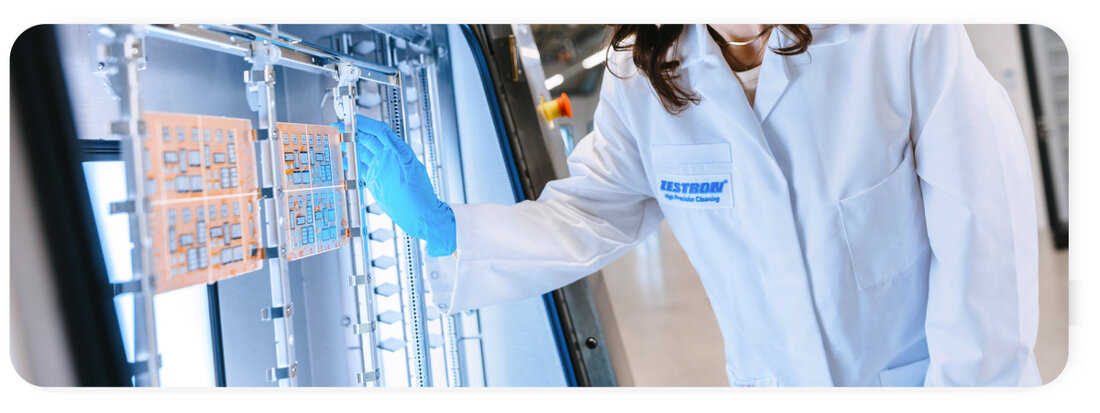
This guide provides practical cleaning methods, decision criteria, relevant measurements, and examples for processors working with power modules, busbars, converters, and HV capacitors. ZESTRON, a global leader in precision cleaning chemistry and process support, offers targeted products and services used in thousands of installations worldwide. The material summarizes best practices, compliance points, and test methods such as resistivity, IPC TM650 ionic testing, and surface analysis. Read on for stepwise recommendations and tips to reduce risk and optimize cleaning for high-voltage assemblies.
Key Takeaways
-
Clean assemblies reduce leakage, prevent corona, and improve insulation life.
-
Ionic contamination should be measured and reported, with limits set by dielectric spacing and system voltage.
-
Choose cleaning chemistry and processes that match materials and production flow.
-
Validate cleaning with resistivity, surface insulation resistance, and ionic testing, and document results.
ZESTRON offers testing and process verification, and operator training to support implementation.

Importance of Cleaning Power Electronics
Cleaning is not optional for power electronics. Contaminants change electrical pathways at the surface and in gaps, and they accelerate aging under voltage and temperature stress. In high-voltage assemblies, contamination increases leakage current and reduces breakdown voltage, which directly affects efficiency and safety. For example, a dust layer combined with moisture can create localized field enhancement and partial discharge at voltages well below design limits. In production, poor cleaning manifests as higher scrap rates, rework cycles, and field failures that are costly to diagnose.
A structured cleaning program addresses root causes, not symptoms. It defines acceptable contamination limits, selects methods and chemistries matched to substrates, and integrates inline monitoring and verification. Standard metrics include ion chromatography results, resistivity of rinse water, surface insulation resistance, and visual particulate counts. Process control requires qualified chemicals, optimized bath life, controlled rinse quality, and reliable drying. ZESTRON supports process setup and transfer with analytical services, test protocols, and on-site trials to reduce time to stable yield.
Power Electronics Cleaning
ZESTRON offers water and solvent based process solutions for cleaning power electronics such as DCBs, IGBTs, discrete components on leadframes, and Power LEDs.
cleaning for optimal bond qualityPower Modules
Cleaning IGBT modules, i.e. DCBs, is an absolute must within the power electronics industry. The substrate surfaces must be prepared for wire bonding after the die attach process. Cleaning is also necessary after the "heat sink soldering" process and before modules are further processed, that is molded, wire bonded and/or connected to the frames. There are two main requirements for the cleaning process:
-
Complete removal of contaminants that typically remain on substrate surfaces, and chips. Residues can impair achievable shear values for copper and IGBTs.
-
Visually spot-free substrate and chip surfaces such that it is able to activate oxidized surfaces.
Using specifically developed processes with aqueous-based ZESTRON cleaning agents, clean surfaces can be achieved that will significantly increase the wire bond quality. Consequently, shear tests results as well as the qualification through power cycling (long-term reliability) test will be significantly improved. This also increases the product yield.
Using modern water-based cleaning processes provide optimal compatibility with various chip passivation and substrate surfaces. Eliminating the need for subsequent plasma treatments that are typically necessary, unsuitable cleaning agents attack the passivation leading to impairment of chip function.


improved bond qualityLead Frames
Leadframe-based discrete components, such as MOSFETs, QFNs, SOTs, etc. are soldered onto the base substrate using a die attach process. The typical or standard wire bond connection is partially replaced with clip bonding technology wherein the connection between the die and lead consists of a copper bridge that will also be soldered with a paste.
ZESTRON’s aqueous and solvent based cleaning media, that have been specifically developed for cleaning leadframe-based discrete components, provide excellent cleaning results leading to higher bond quality, and therefore improved pull and shear test results as well as optimal molding adhesion. Cleaning agents attack the passivation leading to impairment of chip function.
surface activationPower LEDs
When manufacturing Power LEDs, cleaning is required following wire bonding and the die attach process to ensure optimum bond strengths and yields, surface activation as well as provide an improved bond between the die and substrate.
If flux residues and specifically flux spatter from the soldering process on the chip surfaces are not completely removed, it can lead to unfavorable bonding conditions. These often result in heel cracks and even chip defects due to unnecessary high bonding power. Poor bond strengths and low yields are often due to process contamination.
A cleaning process using aqueous-based cleaning agents or modern solvents that has been specifically developed for power LEDs increases wire bond strength and enhances heat transfer in die attach guaranteeing higher yields.
Optimally cleaned LEDs offer not only a higher light conversion, higher luminosity and color fastness but also extends product life.

Impact of contaminants on performance
Surface contamination raises local electric field and lowers dielectric strength. Ionic residues attract moisture and form conductive films that increase leakage and enable partial discharge. Even micrograms of salt on isolation surfaces can shift breakdown statistics. Measure leakage current and discharge onset during prototype testing to quantify the performance impact and to justify cleaning specifications. Track trends over time regularly.
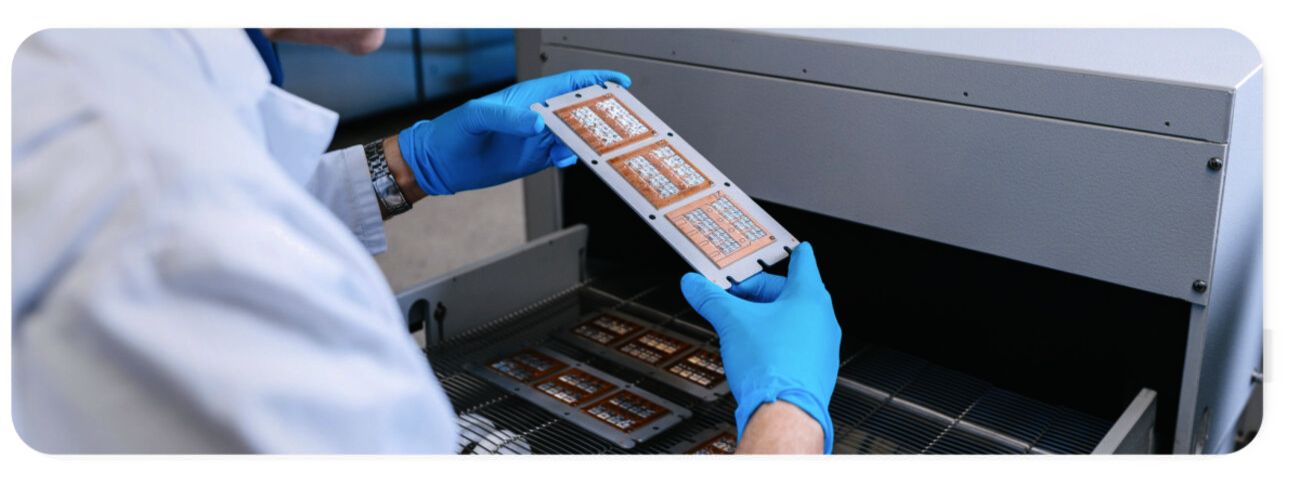
Long-term reliability and reliability testing
Long-term reliability testing isolates cleaning effects from design flaws. Accelerated humidity bias and thermal cycling reveal how residues migrate and interact with interfaces. Repeatable cleaning lowers failure rates in long term tests and in field operation. Include cleaned and uncleaned controls in reliability protocols, and use statistical analysis to quantify improvement and to define maintenance intervals. Plan periodic audits annually.

Common Contaminants in Power Electronics
Power electronics encounter a mix of organic, inorganic, and particulate contaminants from assembly and handling. Common organics include flux residues from soldering, machining oils, lubricants, adhesives, and fingerprints that leave skin oils. Inorganics include salts, ionic residues from cleaning agents, and metal oxides generated during thermal processing. Particulates range from solder splatter and solder paste solids to dust and fibers transferred during handling.
The effect of each contaminant class differs. Flux and organics may carbonize under high temperature and change surface conductivity. Ions such as chlorides and sulfates dramatically increase leakage paths even at low concentrations. Particulates can bridge small gaps or concentrate field lines and initiate corona. Moisture adsorption amplifies all effects and primes surfaces for electrochemical migration.
Understanding source and distribution helps choose an effective process. Identify whether residues are removable by aqueous rinse, need solvent action, or require mechanical agitation. Layered contamination, such as oil over salt, often requires staged cleaning steps. A robust process map documents sources, detection methods, control points, and acceptable limits tied to functional tests. Practical detection methods include visual inspection to catch gross particulate, contact pH and resistivity checks for ionic residues, ion chromatography for quantification, and surface analysis for thin films. Combine sampling points across the assembly to map hotspots and guide corrective action. Document results and review routinely with timestamps.
Types of residues and their effects
Residues fall into soluble ionic contaminants, nonvolatile organics, and particulates. Soluble ions include chlorides, bromides, and sulfates from process chemistries. Nonvolatile organics include tacky flux residues, oils, and polymeric deposits that alter wetting and conductivity. Particulates range from solder ball debris to fibers and dust that increase surface roughness and act as nucleation points for discharge. Measure solubles first always.
Examples of contaminants in real applications
Real examples highlight risk. A converter failed during qualification due to chloride contamination from a water recirculation loop. A busbar assembly exhibited corona onset traced to machining oil residues in threaded joints. In another case, solder flux residues under conformal coating led to early field-side leakage after humidity exposure. Each case required root cause analysis and targeted process changes quickly.
Standard Cleaning Methods for Power Electronics
Standard cleaning methods include dry cleaning, aqueous wet cleaning, solvent-based processes, ultrasonic agitation, and vapor degreasing. The choice depends on contamination type, substrate materials, component density, and throughput requirements. Dry cleaning options remove loose particulates and solder balls with brushes, air knives, or vacuum tools. They work quickly, leave no solvent residues, and are useful for preclean stages. Aqueous wet cleaning using detergents and spray or immersion baths removes ionic residues and many organics. Proper rinsing with deionized water is critical to avoid redepositing solubles. Solvent-based cleaning is effective for nonpolar oils and residues that water cannot dissolve.
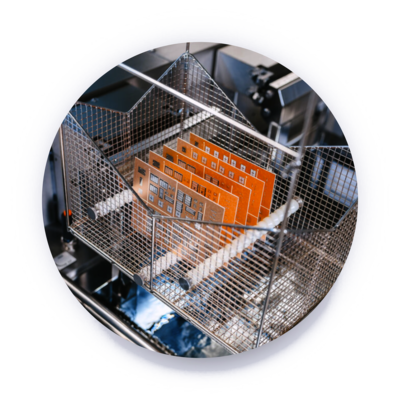 Halogenated solvents are effective, but carry environmental and worker safety concerns. Non-halogenated chemistries and engineered fluid systems achieve strong cleaning performance with lower impact. Ultrasonic cleaning introduces cavitation to dislodge stubborn films in small gaps. It is especially useful for dense assemblies and threaded interfaces. Vapor degreasing uses boiling solvents to dissolve oils and then condense to rinse. It offers excellent drying and low residue finish, when well controlled. Each method has trade-offs in cost, cycle time, environmental footprint, and compatibility. A robust process often combines techniques, for example dry preclean, aqueous cleaning, ultrasonic boost, and controlled drying to meet functional test targets. Validate by measuring ionic levels, surface resistance, and visual cleanliness before release. Maintain bath chemistry monitoring, dispose wastes responsibly, and engage ZESTRON for chemistry selection and validation support.
Wet cleaning processes
Aqueous wet cleaning uses detergents, spray nozzles, and immersion to dissolve ionic and many organic residues. Control temperature, agitation, and contact time for consistent removal. Rinse quality is critical; use multilayer rinses or single pass deionized systems to minimize recontamination. Final drying must remove remaining moisture quickly, using heated knives, vacuum drying, or drying to prevent spotting and corrosion.
Dry cleaning techniques
Dry cleaning minimizes liquid exposure and preserves moisture-sensitive components. Typical tools are compressed air with filtration, brush stations, air knives, or vacuum pickers. Use ISO 8573 compressed air standards for purity and add HEPA filtration for particle control. Dry methods remove loose debris and support downstream wet cleaning, but they rarely remove ionic residues or adhered oils without additional chemistry.
Ultrasonic & vapor degreasing
Ultrasonic cleaning uses high frequency cavitation to dislodge particles and thin films in confined spaces. Cavitation intensity depends on frequency, power density, and fluid chemistry. Use baskets and fixtures to avoid damage, and control temperature to prevent softening of polymers. Ultrasonics pair well with aqueous chemistries and can significantly shorten contact time while improving removal from crevices and reduce rework. Vapor degreasing uses boiling solvents to dissolve oils and then condense to rinse, providing strong cleaning and drying when well engineered.
Emerging cleaning: plasma cleaning
Plasma cleaning removes organic films and activates surfaces using low pressure or atmospheric plasmas. It is especially useful for removing thin polymeric contamination and for improving adhesion prior to coatings. Plasma leaves no liquid residues and can be integrated inline. Limitations include capital cost, throughput constraints, and material sensitivity to energetic species. Use material compatibility testing before adoption in production.
ZESTRON's Role in the Cleaning Process
ZESTRON plays a central role in defining and implementing cleaning processes for power electronics. We provide a portfolio of formulated cleaning agents, aqueous and solvent chemistries, and process aids tailored for high-voltage components and substrates. ZESTRON also offers analytical services, including ion chromatography, surface analysis, and compatibility testing that help identify contamination sources and validate cleaning effectiveness. With over three decades of experience and more than 3,000 installed processes worldwide, ZESTRON brings practical process knowledge that shortens development cycles.

Technical support includes on-site trials, tailored cleaning protocols, bath life monitoring, and training for operators and engineers. ZESTRON’s test centers can reproduce production conditions and run sample parts through candidate processes to compare performance by objective metrics. The company documents process parameters, control limits, and test outcomes to support quality systems and audits. For OEMs and contract manufacturers, ZESTRON reduces risk during design transfers and scaling to production volumes. Our combination of chemistry, measurement, and application expertise creates measurable yield improvements and lowers total cost of ownership for cleaning. ZESTRON operates eight technical centers worldwide and supports over 2,500 customers. Testing covers ionic analysis to IPC methods, resistivity and surface insulation resistance, and surface film identification. Field engineers help with process control, bath optimization, waste handling, and regulatory compliance to lower defects and improve first pass yield.
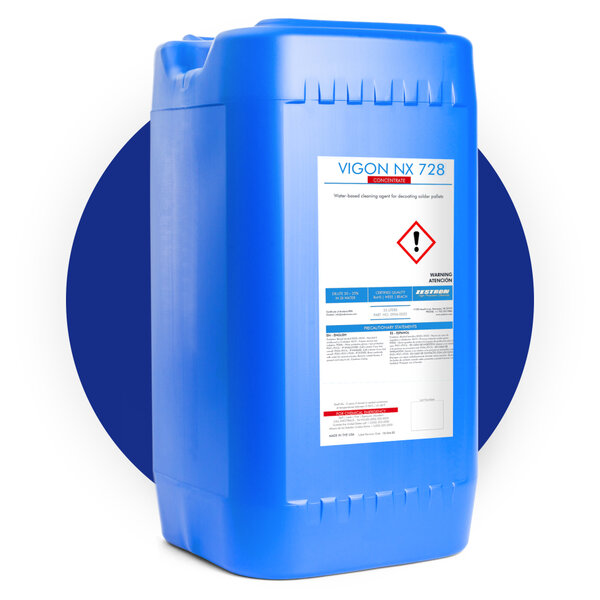 Overview of ZESTRON's cleaning solutions
ZESTRON’s product range spans aqueous detergents, engineered solvents, and specialty chemistries formulated for actives such as flux residues, oils, and conformal coating compatibility. Their services include lab analysis, on-site evaluation, pilot line setup, and operator training. ZESTRON documents environmental handling, disposal guidance, and regulatory notes so manufacturers can implement compliant, efficient cleaning processes at scale. Engineers value fast response times.
Benefits of using ZESTRON products
Using ZESTRON products and services yields measurable benefits: lower ionic contamination, reduced rework, faster process qualification, and documented audit compliance. Customers see improved yield and fewer field returns. ZESTRON helps optimize cost by extending bath life, reducing chemical consumption, and recommending closed loop systems. Their data driven approach makes cleaning a controlled part of manufacturing, not a variable risk today.
Safety Protocols for Cleaning High-Voltage Assemblies
Safety governs both electrical practices and chemical handling when cleaning high-voltage assemblies. Procedures must separate powered work from cleaning steps, and circuits should be verified deenergized with documented lockout tagout before any solvent exposure. Work on capacitors requires confirmed discharge to safe voltages and verifying bleed resistors function. Use insulated tools and nonconductive supports to prevent accidental shorts during cleaning.
 Chemical safety includes wearing appropriate personal protective equipment, using ventilated areas, and following material safety data sheet instructions. Store solvents and detergents in approved containers and handle waste per local regulations. Material compatibility checks prevent damage to plastics, elastomers, coatings, and wire insulation that could lower voltage withstand. Test candidate cleaners on representative coupons and components at process temperatures and dwell times.
Training and documentation are essential. Maintain written procedures that include containment for spills, emergency response, and first aid measures. Integrate environmental controls such as fume capture and proper waste filtration during rinse and disposal. ZESTRON provides chemical safety data, compatibility matrices, and waste handling recommendations to simplify compliance and reduce operational risk. Electrical safety training should include safe discharge procedures, use of calibrated measurement equipment, and verification steps prior to reenergizing assemblies. After cleaning, allow drying time and perform insulation resistance and hipot tests per design limits. Maintain records of cleaning cycles, electrical checks, and anomalies discovered routinely.
Best practices for handling high-voltage components
Best practices begin with design for cleanability: avoid crevices, minimize trapped flux, and use serviceable fasteners. Sequence processing to limit cross contamination, separating mechanical work from final cleaning. Use controlled workstations with ESD and particle controls. Standardize cleaning recipes, monitor bath chemistry, and set clear release criteria tied to electrical tests. Log process deviations and corrective actions for traceability requirements.
Chemical safety and material compatibility
Choose cleaners with documented material compatibility and low hazardous content. Review safety data sheets for flash point, VOC, and disposal classification. Provide spill response plans, eyewash, and safety showers near work areas. Use secondary containment and vapor monitoring for solvent baths. Train staff on PPE selection, proper transfers, labeling, and procedures to prevent cross contamination and dangerous mixtures and records.
Future Trends in Cleaning Power Electronics
Cleaning technology is evolving toward higher automation, sustainability, and noncontact methods. Manufacturers are adopting closed loop aqueous systems with in line water recycling, sensor driven chemistry control, and automated part handling to reduce waste and operator exposure. Solvent alternatives with lower global warming potential and engineered fluids are replacing older halogenated solvents in many applications.
Nonchemical methods such as plasma, laser ablation, and CO2 snow are gaining traction for delicate or sealed assemblies. These techniques can remove thin films or particulates without wetting sensitive components. Process engineers evaluate throughput, capital cost, and material effects when deciding to adopt nonchemical methods.
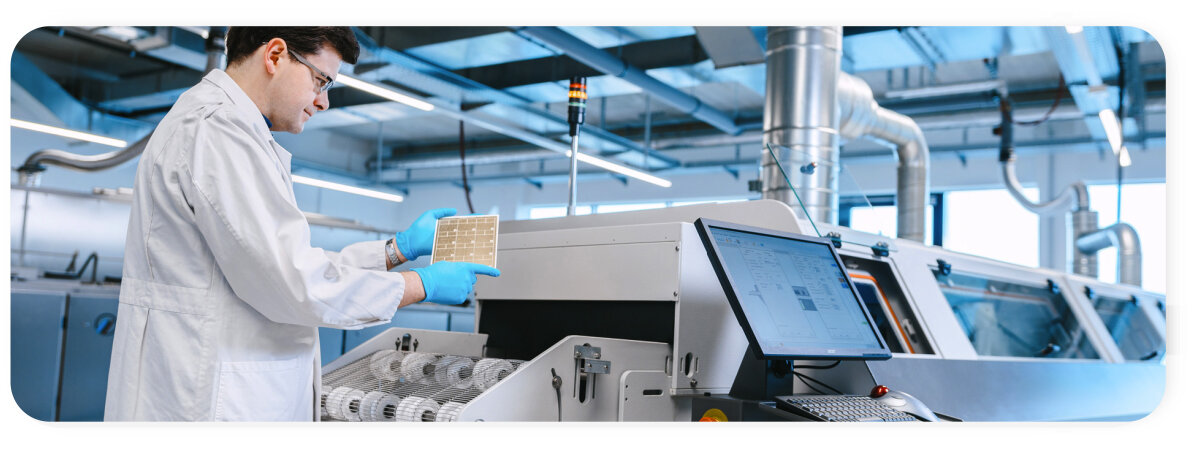
Industry standards and test methods are converging to provide clearer acceptance criteria for power electronics. Updated IPC and IEC guidance defines ionic thresholds, test sequencing, and documentation expectations. Standards drive measurable cleaning requirements that OEMs and contract manufacturers can use to specify acceptance during handover and production release. ZESTRON monitors standards and adapts product offerings to help customers meet evolving regulatory and reliability expectations. Expect integrated validation services and digital records to be standard for process control and audits soon.
 Shift toward non-chemical methods
The shift toward non-chemical and lower impact chemistries emphasizes life cycle assessment, operator health, and waste reduction. Engineers evaluate total environmental impact, not only cleaning efficiency. Suppliers develop recyclable solvents, biodegradable detergents, and solvent recovery systems to lower disposal costs. Pilot programs quantify energy use, chemical consumption, and emissions. Early adopters report improved sustainability metrics with maintained or improved cleanliness.
 Impact of industry standards on cleaning practices
Industry standards set test methods, acceptance levels, and traceability expectations across supply chains. Ionic thresholds tied to voltage class and insulation geometry help designers set cleaning targets. Standards require traceable measurement and sampling plans. As IPC, IEC, and OEM guidelines evolve, contract manufacturers must adapt cleaning recipes, control plans, and validation records to maintain compliance and effectively.
Conclusion: Key Takeaways on Cleaning Power Electronics
Effective cleaning of power electronics and high-voltage assemblies prevents leakage, corona, and premature failure while improving yield and safety. A practical program combines source control, appropriate cleaning methods, objective testing, and documented process control. Start with contamination characterization, select staged cleaning steps, and validate with ionic analysis, resistivity, and electrical stress tests matched to design voltage.
Operationalize cleaning with training, bath monitoring, waste handling, and safety procedures for both electrical and chemical risks. Leverage supplier expertise and laboratory services to shorten development time and reduce field risk. ZESTRON provides chemistry, analytics, and process validation services that many manufacturers use to meet IPC and IEC guidance. Implement data driven controls, integrate cleaning into quality systems, and keep records that support audits and continuous improvement. Start simple, measure frequently, and engage ZESTRON when specialized support is required today.
FAQs on Cleaning Power Electronics
This FAQ section answers practical questions engineers ask when cleaning power electronics. It focuses on method selection, testing, solvent choices, and postclean validation. Answers are concise and point to measurable tests and real process steps. For complex cases ZESTRON technical support can run sample analyses and recommend specific chemistries and process flows tailored to the assembly, materials, and production constraints.
For high-voltage busbars use staged cleaning: dry preclean to remove particulates, aqueous alkaline or neutral detergent immersion with agitation, deionized rinse, and controlled drying. Validate with ionic conductivity tests, surface insulation resistance, and partial discharge checks at design spacing and operating voltage.
Post-coat cleaning is discouraged because solvents and agitation can damage coatings and void warranties. When unavoidable, perform controlled cleaning on test coupons using approved localized methods such as plasma or minimal solvent, then validate adhesion, dielectric strength, and coating appearance before approving post coat cleaning.
Perform wipe sampling or surface extraction and analyze by ion chromatography per IPC methods to quantify soluble ions. Complement results with surface insulation resistance or resistivity testing. Use rinse water resistivity monitoring. Define sampling points and limits based on voltage class and insulation geometry.
Water-based cleaners can be suitable for semiconductors when formulated correctly. Use low conductivity detergents, control temperature, and limit contact time to avoid corrosion or plating leach. Rinse with high purity deionized water and dry promptly. Validate cleaning on representative packages for seal integrity and thermal performance.
Documented, validated cleaning processes and objective test records support warranty and standards compliance. Ionic analysis, resistivity testing, and process logs give traceable evidence of acceptance. Partnering with ZESTRON for process definition and verification helps manufacturers meet IPC, IEC, and OEM requirements and demonstrate reliability.