SMT Electronics Cleaning
At ZESTRON, we specialize in precision cleaning solutions for Surface Mount Technology (SMT) electronics assemblies. Our advanced cleaning chemistries effectively remove flux residues, solder paste, and process contaminants from printed circuit boards (PCBs) to ensure maximum reliability and long-term performance.
As SMT designs become more complex with fine-pitch components, bottom-terminated components, and high-density assemblies, proper cleaning becomes critical to preventing electrical leakage, corrosion, and field failures. ZESTRON’s engineered cleaning solutions, process support, and technical expertise help electronics manufacturers achieve consistent, validated SMT cleaning results that meet the demanding standards of industries such as aerospace, automotive, medical, and advanced computing.
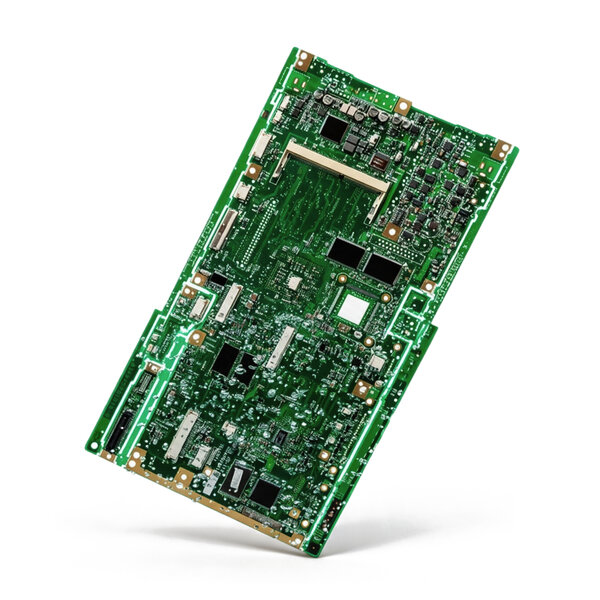 PCB
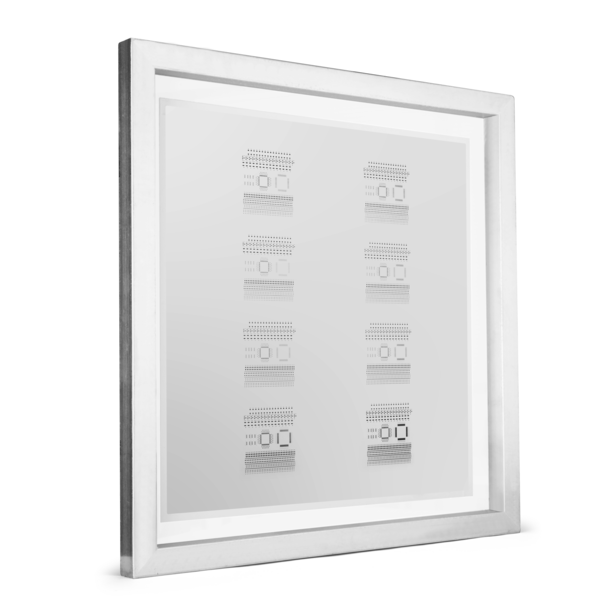 Stencil
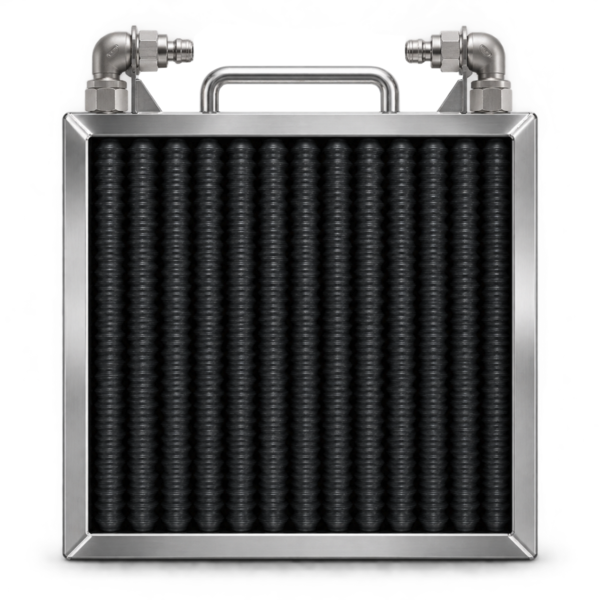 Maintenance
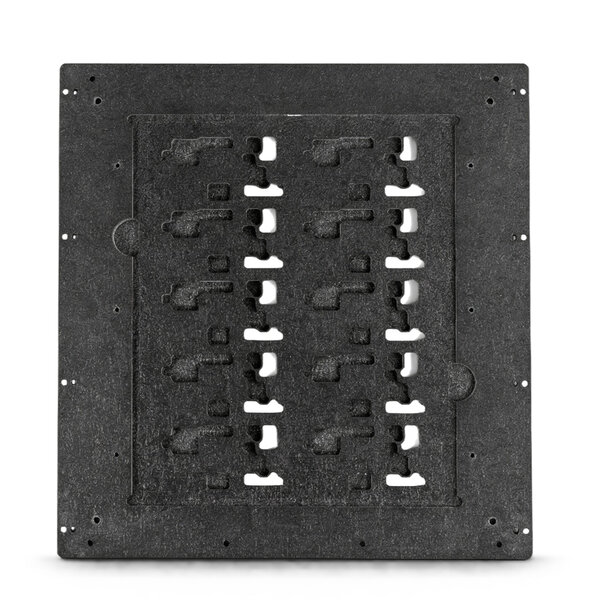 Conformal Coating
What We Provide
Solder Paste & Stencil Cleaning
Improve Print Quality with Effective Stencil Cleaning
Consistent solder paste printing starts with a clean stencil.
Solder paste residue can accumulate on stencils and printing equipment, affecting transfer efficiency and print consistency. Here at ZESTRON we provide cleaning solutions designed to remove stubborn residues, maintain stencil performance, and support reliable SMT production.
-
Stencil Cleaning: Remove solder paste residues from stencil surfaces and apertures.
-
Underside Cleaning: Maintain consistent print quality by removing paste buildup beneath the stencil.
-
Automated Cleaning: Support repeatable cleaning results with compatible automated processes.
-
Process Efficiency: Help reduce printing defects, rework, and production interruptions.
Explore Stencil Cleaning Solutions
Conformal Coating & Bonding
Prepare Cleaner Surfaces for Downstream Processes
Better surface preparation starts with effective cleaning.
Residual contamination from SMT assembly can interfere with conformal coating, adhesive bonding, and other downstream processes. ZESTRON helps manufacturers develop appropriate cleaning strategies to remove unwanted residues, improve surface preparation, and support consistent results in subsequent manufacturing steps.
-
Coating Preparation: Remove residues that may contribute to coating defects.
-
Bonding Applications: Support surface cleanliness before adhesive bonding.
-
Residue Identification: Evaluate contamination that may affect downstream performance.
-
Process Compatibility: Select cleaning approaches suited to assembly materials and requirements.
Optimize Your Surface Preparation
Post-Reflow PCB Cleaning
Achieve Reliable PCB Cleanliness After Soldering
Remove residues that can compromise electronics reliability.
Soldering processes can leave flux residues on printed circuit board assemblies, particularly around fine-pitch components and beneath low-standoff packages. ZESTRON helps manufacturers identify suitable cleaning chemistry and processes to address residue challenges while protecting sensitive components and materials.
-
Flux Residue Removal: Address residues from different soldering and flux chemistries.
-
Complex Assemblies: Tackle cleaning challenges associated with dense component layouts.
-
Process Compatibility: Identify suitable cleaning solutions for specific materials and assemblies.
-
Consistent Results: Support repeatable cleaning performance across production batches.
Find Your PCB Cleaning Solution
High-Volume SMT Production
Optimize Cleaning for High-Volume SMT Manufacturing
Improve process consistency without compromising efficiency.
High-volume SMT manufacturing requires cleaning processes that balance cleanliness, throughput, and operating costs. ZESTRON supports manufacturers in selecting suitable cleaning agents and optimizing process parameters to integrate reliable cleaning into demanding production environments.
-
Production Integration: Align cleaning processes with manufacturing workflows.
-
Cycle Time Optimization: Evaluate parameters that influence cleaning speed and performance.
-
Bath Management: Support effective monitoring and management of cleaning chemistry.
-
Operational Efficiency: Identify opportunities to reduce rework, resource consumption, and process variability.
Optimize Your SMT Cleaning Process


Failure is not an option! When cleaning printed circuit board (PCB) assemblies, the primary goal is to remove contaminants from populated PCBs and hybrid assemblies that can contribute to performance failure in the field. Engineered PCB cleaning solutions are essential to ensure the cleanliness and complete removal of contaminates like flux residues from assemblies used in high-reliability applications and industries such as automotive, medical, aerospace, telecommunications, and military.
More On PCB Defluxing


When manufacturing electronic assemblies, solder pastes, SMT adhesives, or thick film pastes are printed or applied using stencils, pump print stencils, or screens. Paste residues and remaining SMT adhesives on stencil surfaces and apertures can lead to misprints resulting in bridging and solder balling issues. For optimum print results, cleaning the stencils and screens either manually or using an automated stencil cleaning machine is necessary.
More on Stencil Cleaning


As part of a maintenance cleaning program, the most prevalent types of contamination, such as baked-on fluxes, recondensed gas emissions from the soldering process, and coating residue from pallets and fixtures, must be removed to ensure a reliable and failure-free production process.
Other parts that require maintenance cleaning include dispensing needles, solder pallets, conveyor fingers, condensation traps, reflow ovens, and wave solder machines.
More on Maintenance Cleaning
Frequently Asked Questions – SMT & PCB Cleaning
Answer: SMT cleaning removes flux residues, solder pastes, adhesives, and other contaminants from printed circuit board assemblies produced via Surface Mount Technology. Proper cleaning prevents electrical failures such as leakage currents, corrosion, and dendritic growth — all of which can lead to field failures.
Answer: PCBs should be cleaned after soldering when flux residues could affect long-term reliability or when high cleanliness standards are required. Even “no-clean” flux processes may need cleaning if ionic contamination or residues affect insulation or downstream processes.
Answer: Common contaminants include solder flux residues, solder paste particles, adhesives, and recondensed gases from soldering processes. If left behind, these can lead to defects like solder bridging, leakage current, or impaired stencil performance.
Answer: SMT cleaning can be done using inline spray systems, batch cleaners, ultrasonic tanks, and manual cleaning methods depending on throughput and board complexity. Each method has advantages based on production volume and geometry.
Answer: Yes. Low-standoff cleaning — where flux residues must be removed beneath tightly spaced components — requires appropriate cleaning processes that can penetrate small gaps without leaving residue.
Answer: Absolutely. Cleaning SMT stencils removes solder pastes and adhesives that can clog apertures and cause misprints, improving solder paste deposition consistency and reducing defects.
Answer: Cleaning chemistry should match the type of flux or residue being removed and the cleaning process used. Incorrect chemistry can lead to issues like foam or incomplete cleaning, so selecting products optimized for your process is essential.
Answer: Challenges include excessive foam formation, hard-to-reach low-standoff residues, improper choice of cleaner for a given process, and residues that bind to components. Effective process control and analytics help mitigate these issues.
Looking to Learn More?
Browse technical articles, case studies and webinars.
ZESTRON Resources